yes
Choosing between OEM and aftermarket windshield glass is a critical decision when you need a replacement for your vehicle. Selecting the right glass ensures your vehicle remains structurally sound, your advanced driver assistance systems function correctly, and your budget stays intact. You face a choice between parts built to the exact specifications of your automaker and parts produced by independent manufacturers.
Understanding the differences between these options helps you make an informed choice that balances cost, quality, and safety. Whether you are scheduling a repair in Chantilly, Alexandria, Silver Spring, or Harrisonburg, knowing what to look for prevents unexpected issues during installation and calibration.
What is OEM Windshield Glass?
Original Equipment Manufacturer glass is produced by the same manufacturers that supplied the glass when your vehicle rolled off the assembly line. These parts carry the exact brand logo of your carmaker etched into the corner of the windshield.
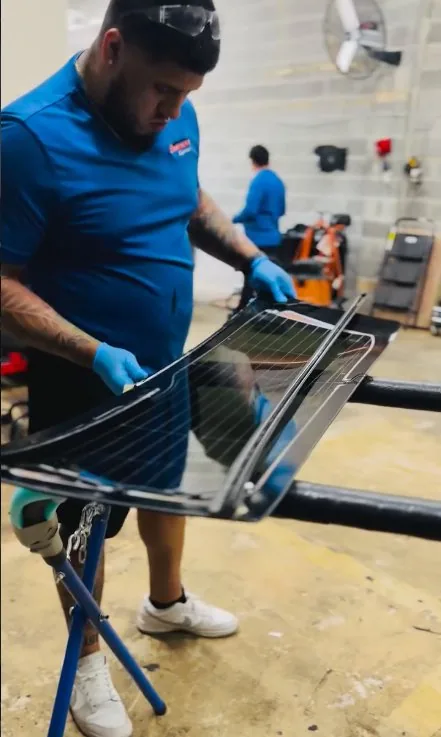
The primary advantage of OEM glass is guaranteed fit and finish. Because the manufacturer designs the glass to strict factory specifications, you receive an exact match for curvature, thickness, and acoustic dampening properties. This precision is especially important for modern vehicles equipped with head-up displays and rain sensors.
However, OEM glass typically comes with a higher price tag. Dealerships and glass shops often charge more for these parts because of the brand licensing and exclusive distribution channels. If you drive a luxury vehicle or a brand-new model, OEM glass might be your only available option until independent manufacturers begin producing alternatives.
What is Aftermarket Windshield Glass?
Aftermarket glass is manufactured by independent companies that produce replacement parts without the carmaker’s brand logo. These companies reverse-engineer the original windshield to create a functional equivalent that fits your vehicle’s make, model, and year.
The main benefit of aftermarket glass is affordability. Because multiple companies compete in this market, prices are generally lower than OEM options. Many insurance policies default to covering aftermarket glass unless you specifically request or pay the difference for an OEM replacement.
Quality can vary among aftermarket brands, which makes choosing a reputable installer essential. While top-tier aftermarket manufacturers produce glass that meets federal safety standards, lower-quality options may present minor optical distortions or subtle fitment variances that complicate the installation of moldings and sensors.
Comparing Key Factors: Fit, Price, and Technology
When evaluating your options, you need to weigh several practical factors against your specific vehicle requirements.
Advanced Driver Assistance Systems, such as lane departure warnings and automatic emergency braking, rely heavily on cameras and sensors mounted directly to the windshield. OEM glass guarantees that mounting brackets are in the exact position required by the automaker. High-quality aftermarket glass also works well with ADAS, but your technician must verify compatibility before installation.
💡 Tip: If your vehicle is less than two years old or features complex driver-assist technology, check with your insurance provider and technician to see if OEM glass is recommended for your specific model.
How to Choose the Right Glass for Your Vehicle
Selecting between OEM and aftermarket glass comes down to a few practical questions about your vehicle, your budget, and your insurance policy.
- Check your vehicle age: Newer models often lack widespread aftermarket support, making OEM the default choice.
- Review your insurance policy: Find out if your comprehensive coverage includes OEM parts or if you are responsible for the price difference.
- Assess your technology package: Vehicles with sophisticated HUD units or integrated camera systems benefit from the guaranteed tolerances of OEM glass.
- Consult your technician: Experienced professionals understand which aftermarket brands meet rigorous safety standards and perform reliably with your specific car model.
Frequently Asked Questions
Does insurance pay for OEM windshield glass?
Insurance coverage depends entirely on your specific policy. Some policies cover OEM parts automatically, while others require an endorsement or mandate aftermarket glass if available. Review your policy documents or contact your agent before scheduling service.
Is aftermarket glass less safe than OEM glass?
Reputable aftermarket glass meets all federal motor vehicle safety standards and undergoes rigorous impact testing. Safety depends just as much on proper professional installation and urethane curing time as it does on the glass itself.
Will aftermarket glass affect my car’s sensors and cameras?
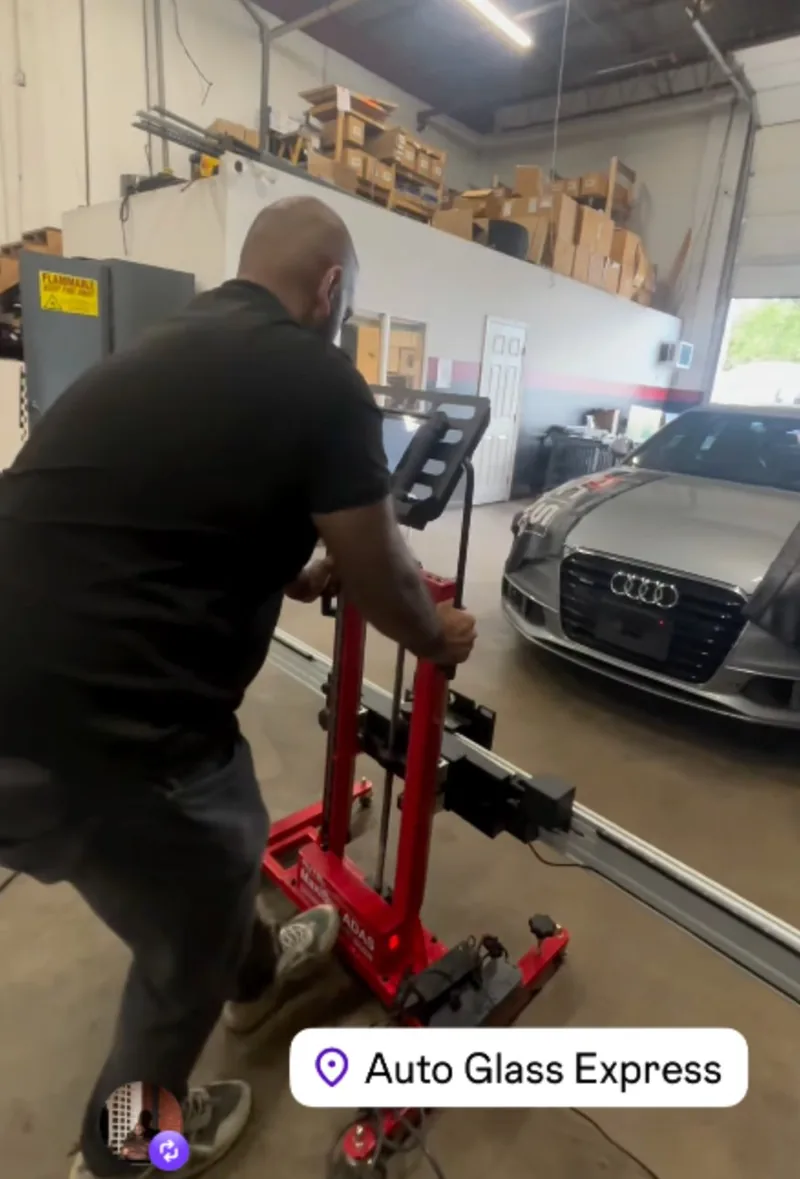
Quality aftermarket glass accommodates sensors correctly, but professional ADAS calibration is always required after a windshield replacement regardless of the glass type you choose.
Ready for Expert Windshield Replacement?
Contact Auto Glass Express for professional advice and reliable service across Chantilly, Alexandria, Silver Spring, and Harrisonburg.