Windshield Replacement in Chantilly, VA: When Repair Is Not Enough
When you notice a chip or crack in your car glass, deciding between a quick fix and a total swap depends entirely on the size, location, and severity of the damage. A windshield is a critical structural component of your vehicle, providing up to 30% of its structural strength in a rollover accident and ensuring that your passenger-side airbags deploy correctly. When damage compromises this integrity, a simple resin fix is no longer a safe option, and you need a complete windshield replacement.
Understanding the exact thresholds where a repair stops working and a replacement becomes mandatory helps you make safe, informed choices for your vehicle while driving around Chantilly, VA.
Size and Depth Thresholds for Windshield Damage
The physical dimensions of the chip or crack are the primary factors auto glass technicians evaluate. As a general rule of thumb, if a chip is smaller than a coin or a crack is shorter than a dollar bill, a professional can often repair it. However, once damage exceeds these standard thresholds, the structural integrity of the glass cannot be restored through resin injection alone.
- Bullseye chips and star breaks larger than 1 inch in diameter usually require a full swap because the internal pressure points are too weak.
- Long cracks extending past 3 to 6 inches compromise the entire pane, as temperature fluctuations and road vibrations will cause the fracture to spread rapidly.
- Deep cracks that penetrate both layers of the laminated glass mean the safety barrier is broken, requiring an immediate replacement to protect you and your passengers.
If you ignore these size limits, a minor flaw can spiderweb across your field of vision overnight, turning a manageable situation into a hazardous driving condition on local roads.
Location Matters: Edge Cracks and Driver Visibility
Where the damage occurs on your glass is just as important as how big it is. Even a tiny chip can force a full replacement if it sits in a critical spot.
The primary concern is your direct line of sight. If a chip or scratch sits squarely within the driver viewing area—directly in front of the steering wheel—a repair resin can still leave a slight distortion or light glare. This minor optical distortion can blind you momentarily when driving into the glare of a low sun or oncoming headlights, making replacement the only safe route.
Damage originating at the outer edge of the glass is equally dangerous. The edges bear the brunt of the structural stress holding the windshield firmly inside the vehicle frame. Cracks that touch or start within 2 inches of the edge weaken the primary bonding seal. Once that bond fails, the entire windshield can pop out during a sudden stop or collision.
Advanced Driver Assistance Systems (ADAS) Considerations
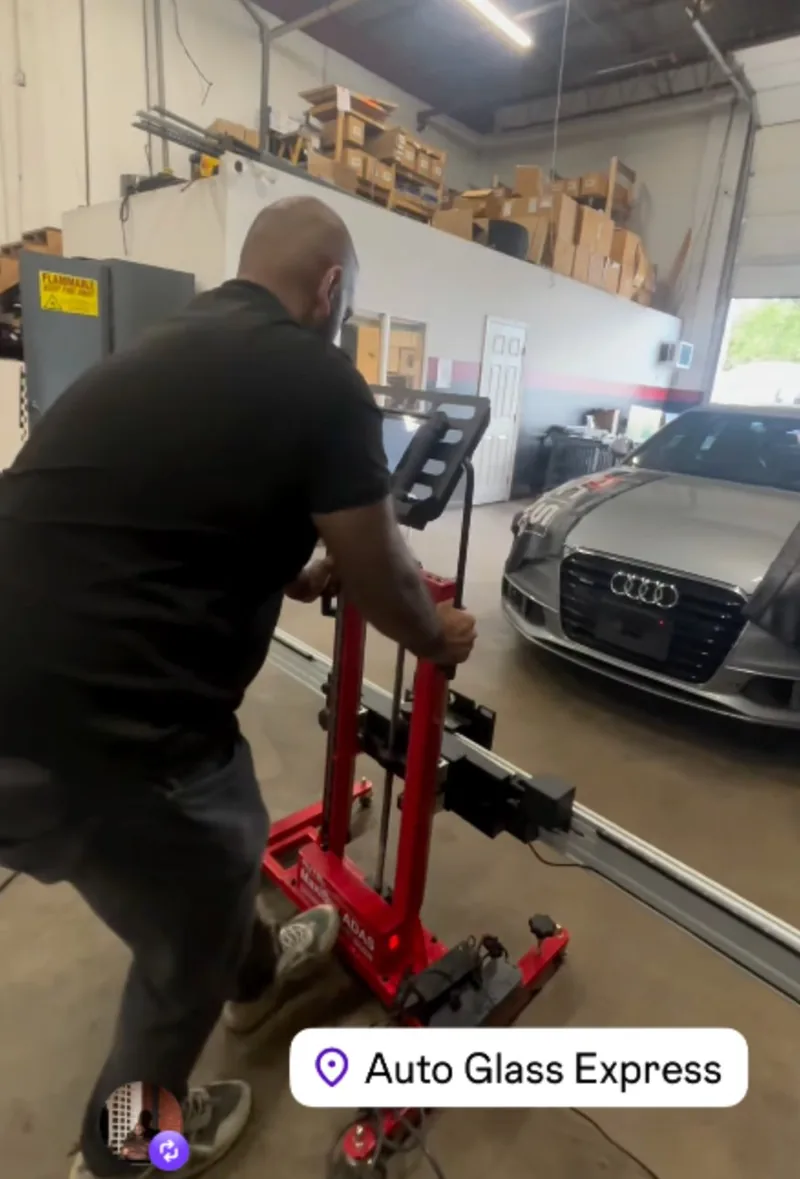
Modern vehicles rely heavily on cameras, rain sensors, and radar units mounted directly to the interior surface of the glass. These Advanced Driver Assistance Systems control features like lane-keep assist, automatic emergency braking, and adaptive cruise control.
When you need a windshield replacement, technicians must carefully remove these sensors and recalibrate them once the new glass is installed. If you have a crack running directly through the camera mounting zone or across the sensor array, a repair is impossible. The optical clarity required by these computer systems means that any resin patch will confuse the camera lenses, leading to system errors or delayed safety responses.
When Contamination and Multiple Impact Points Accumulate
Sometimes the nature of the damage itself rules out a standard fix. Over time, open chips collect dirt, moisture, car wash wax, and road salt. Once contaminants settle deep inside the crater of a crack, resin cannot bond properly to the glass. If a chip has been sitting exposed to the elements for weeks, a full replacement becomes necessary.
Furthermore, multiple impact points across a single pane mean the glass has experienced repeated trauma. Driving behind gravel trucks or navigating unpaved construction zones can pepper a windshield with dozens of tiny pits and minor fractures. While each individual pit might look small, the cumulative structural damage weakens the laminated layers beyond safe repair limits.
Frequently Asked Questions
How long do I need to wait to drive after a complete installation?
You typically need to wait between 1 to 2 hours after the new glass is installed. This curing window allows the high-grade urethane adhesive to reach safe drive-away strength, ensuring the windshield can withstand airbag deployment and wind pressure.
Does car insurance cover the cost of a full swap?
Comprehensive insurance policies frequently cover glass damage, and in many states, zero-deductible glass coverage applies. Check your specific policy details or speak with your insurance provider to confirm your coverage limits.
Can I wash my car immediately after getting new glass?
You should wait at least 48 hours before taking your vehicle through an automatic car wash. The high-pressure water jets and heavy brushes can put excess stress on the fresh urethane adhesive before it fully cures.
Need Professional Auto Glass Services?
Contact Auto Glass Express for expert windshield replacement and repair services.