yes
Understanding ADAS Calibration After Windshield Replacement
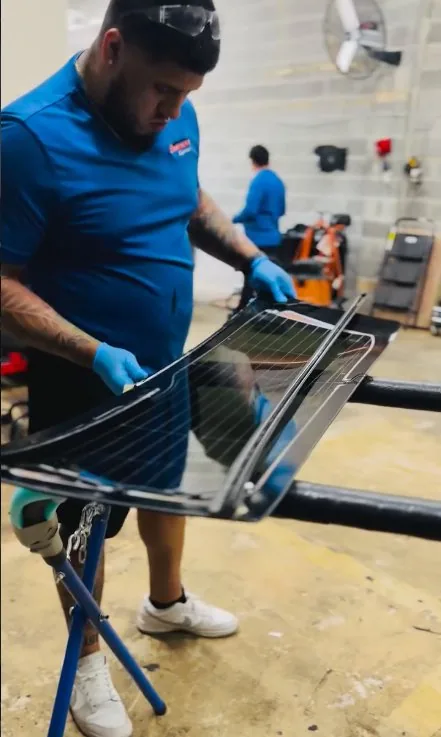
When you replace the windshield on a modern vehicle in Northern Virginia, you must also recalibrate the Advanced Driver Assistance Systems (ADAS) attached to it. Cameras and sensors mounted to the glass guide essential safety features like lane keep assist, automatic emergency braking, and adaptive cruise control. Even a microscopic shift in camera alignment during a windshield swap can compromise these systems, leading to delayed warnings or incorrect vehicle responses on busy regional roads like the Capital Beltway or Interstate 66.
Knowing when, why, and how calibration is performed ensures you keep your vehicle safe and compliant with manufacturer specifications. This guide explains the calibration process, outlines your service options, and details what you need to know before booking your next auto glass appointment.
Why Windshield Replacement Triggers Calibration
Modern automotive safety relies on optical cameras and radar units that view the road ahead through the windshield glass. These components are factory-calibrated to exact optical tolerances measured in fractions of a millimeter. When a technician removes and replaces your windshield, the new piece of glass alters the focal point through which the camera captures the road.
Refraction index variations, minute changes in glass thickness, and even slight installation variances shift the camera view. If your car relies on forward-facing safety features, the computer system cannot accurately judge distances, lane markers, or obstacle heights without a fresh calibration. Ignoring this step puts your safety at risk every time you encounter stop-and-go traffic on Route 50 or merge onto local highways.
Static Versus Dynamic Calibration Methods
Automobile manufacturers require one of two primary calibration methods depending on the make, model, and year of your vehicle. Understanding these methods helps you choose the right service provider for your car.
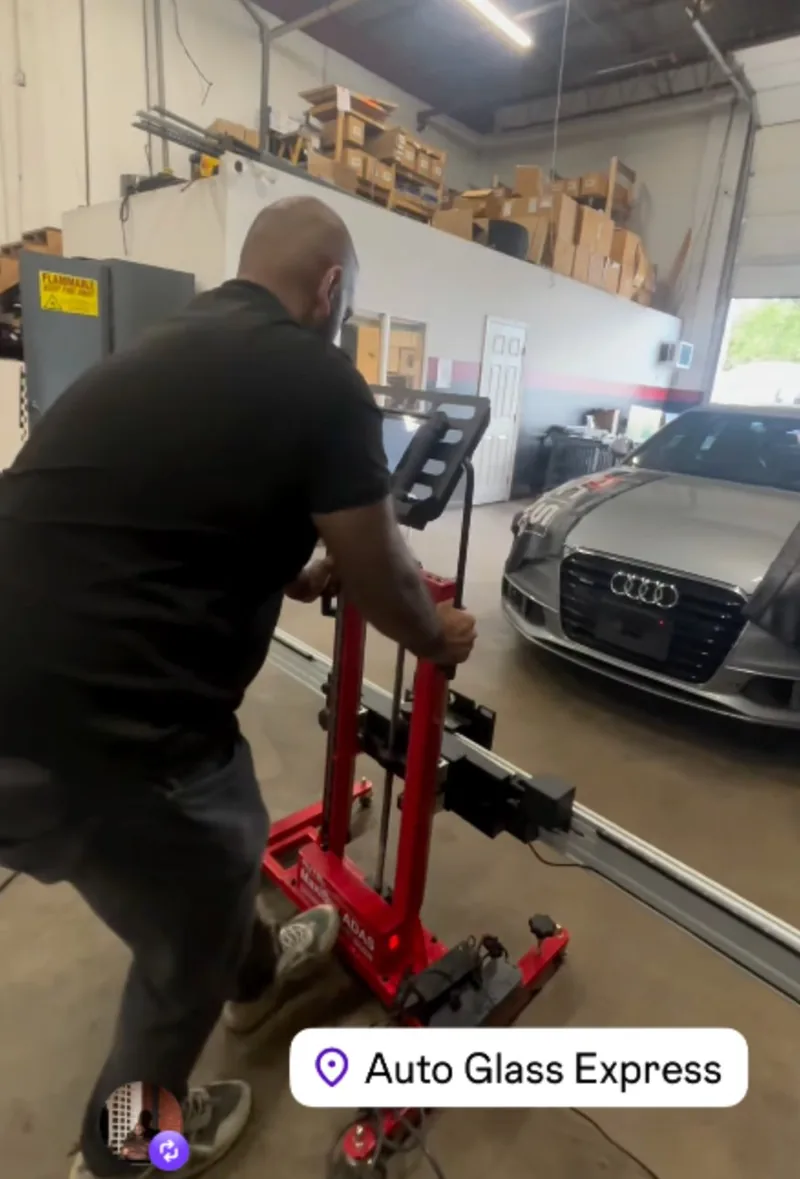
- Static calibration takes place inside a controlled shop environment. Technicians mount specialized optical targets, laser alignment tools, and pattern boards in precise locations around the vehicle. The car’s onboard computer communicates with these targets to reset and verify camera angles.
- Dynamic calibration requires driving the vehicle at specific speeds on well-marked roads while a diagnostic tool plugged into the OBD-II port communicates with the forward-facing camera. Northern Virginia drivers often need a technician who knows local routes with clear lane markings to complete this drive successfully.
- Dual calibration combines both static and dynamic procedures, requiring target setups in the shop followed by a validation drive on the highway.
💡 Tip: Always ask your auto glass provider whether your specific vehicle requires a static, dynamic, or dual calibration before scheduling the replacement.
What to Expect During Your Service Appointment
Managing a windshield replacement alongside ADAS calibration requires planning. Choosing a shop that handles both glass installation and electronic recalibration under one roof saves you time and prevents logistical headaches.
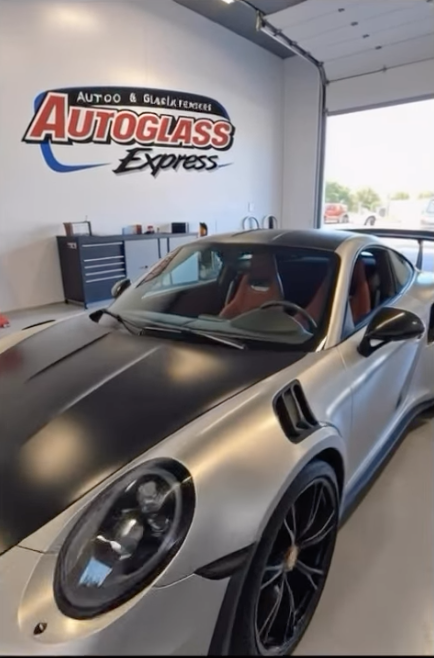
When you book through a trusted provider like Auto Glass Express, technicians evaluate your vehicle specifications before starting the work. If your car requires static targets, the shop must possess adequate floor space and precise lighting to ensure accurate sensor alignment.
Common Risks and Mistakes to Avoid
Skipping calibration to save money or time creates hidden hazards on the road. Without proper sensor alignment, safety features may react too late, trigger false braking alerts in heavy traffic, or fail to detect pedestrians and obstacles. Never assume that a new windshield comes pre-calibrated from the factory warehouse; the adjustment must happen after the glass bonds to your vehicle frame.
Another frequent mistake is hiring a mobile glass installer who lacks diagnostic tools, forcing you to drive an uncalibrated vehicle to a dealership afterward. Always confirm that your chosen technician brings the right scanning hardware or operates out of a facility equipped for comprehensive ADAS re-aiming.
Frequently Asked Questions
Do all cars require ADAS calibration after windshield replacement?
No. Only vehicles equipped with forward-facing cameras or sensors mounted directly to the windshield require recalibration. Older vehicles and cars without driver assist features only need standard glass replacement.
Does auto insurance cover ADAS calibration?
In many cases, comprehensive insurance policies cover calibration when it is tied directly to a windshield claim. Check with your insurance provider or ask your service technician to help verify coverage details.
How long does the entire replacement and calibration process take?
Combined windshield installation and electronic calibration typically take between two and three hours, though urethane curing times can extend the total turnaround before you can drive safely.
Need Windshield Replacement and ADAS Calibration in Northern Virginia?
Contact Auto Glass Express for professional service across Chantilly, Alexandria, Silver Spring, Harrisonburg, and surrounding areas.